Twin-Turbo Face-Off: What’s the Real Difference Between the GM LF3 and LF4?
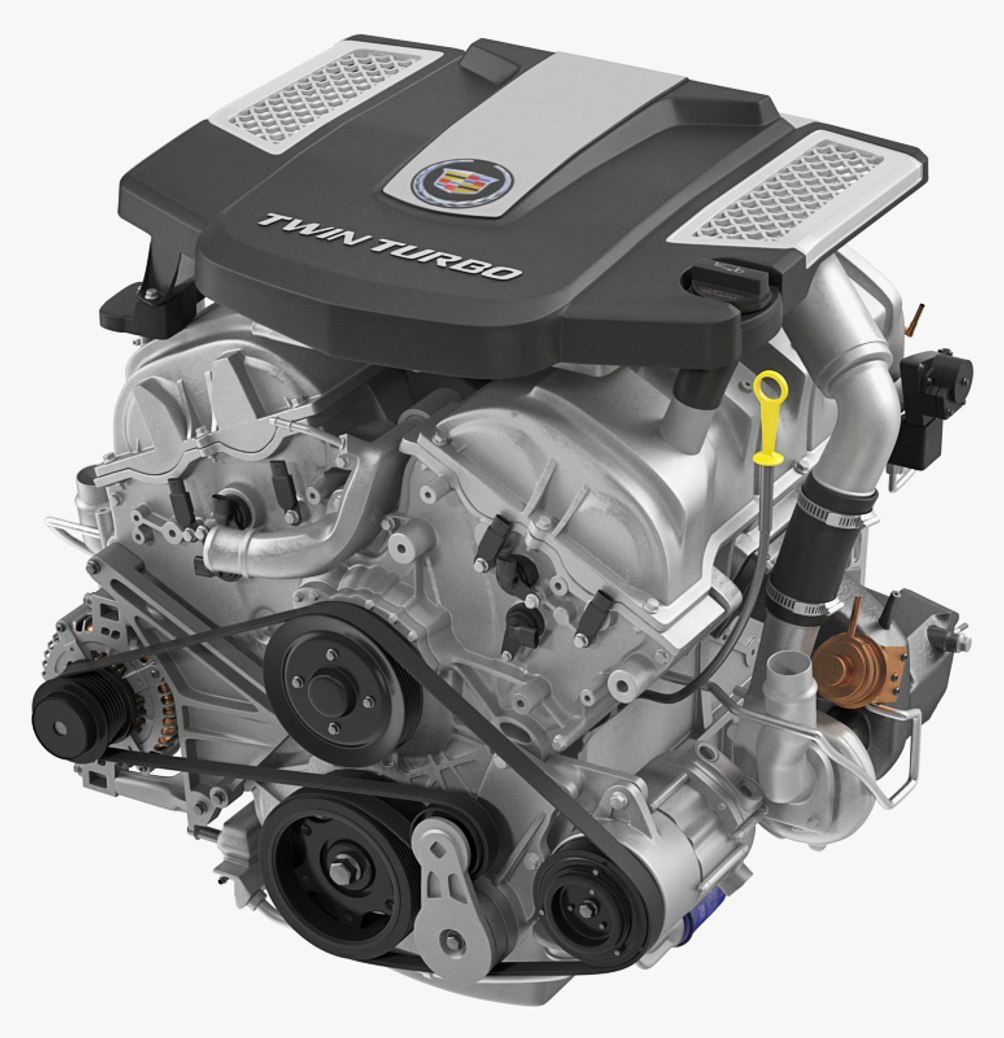
If you’ve spent any time lurking around Cadillac forums or staring at engine bay photos of late-model Vs, you’ve probably noticed two alphanumeric codes popping up: LF3 and LF4. At a glance, they look identical, both are 3.6-liter twin-turbo V6s, both wear Cadillac badges, and both make glorious forced-induction noises.
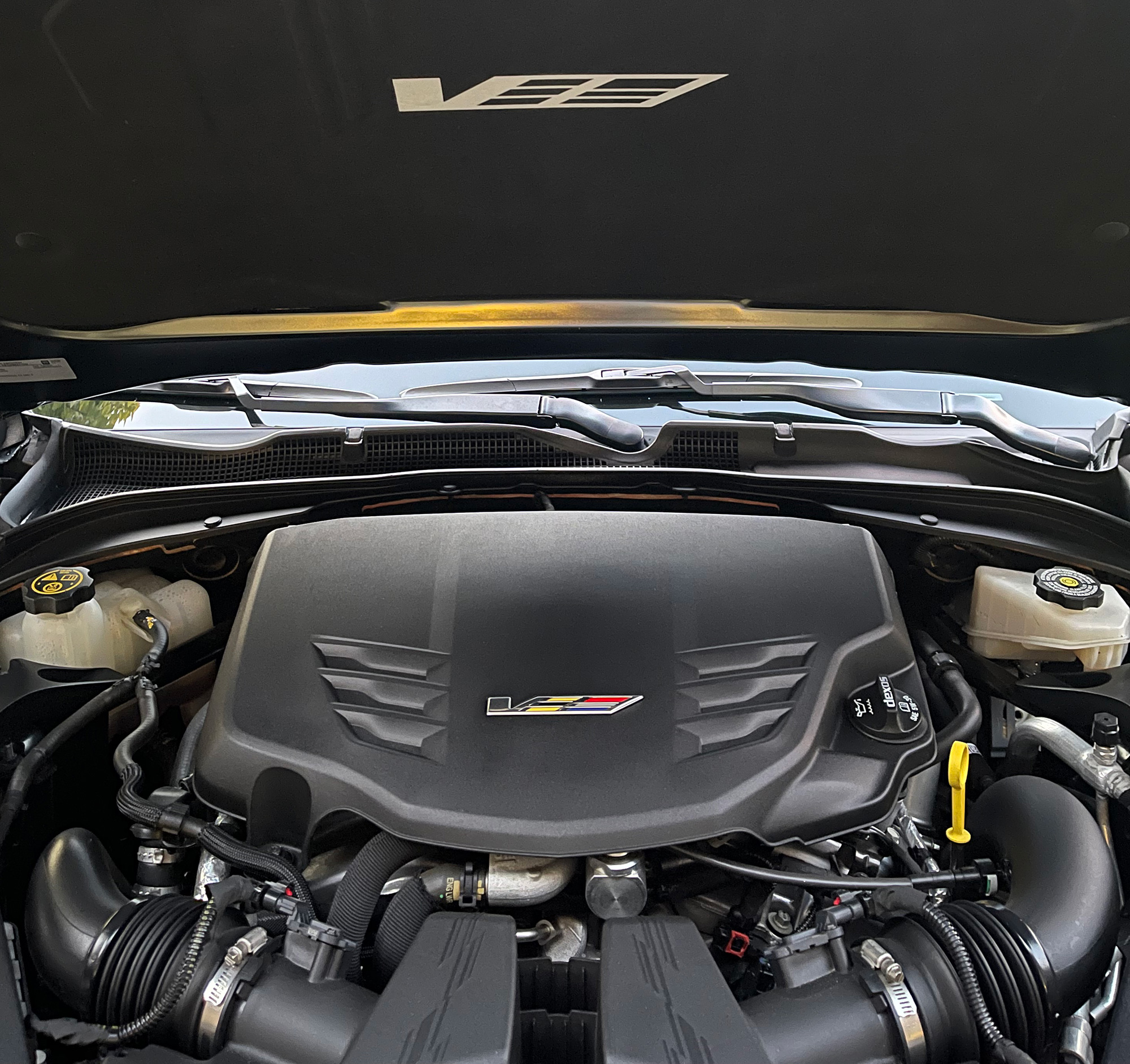
But pop the hood on an ATS-V versus a CTS V-Sport, and you’re looking at two very different animals. One is a luxury sleeper. The other is a track weapon that shares DNA with race cars. So let’s break down exactly what separates these two engines, why GM even bothered building both, and which one you should care about.
Why GM Went Turbo-Six Instead of V8
Before we dive into the differences, let’s talk strategy. By the early 2010s, GM knew the days of throwing V8s into everything were fading. Fuel economy standards were tightening, and competitors like BMW and Audi were already dominating with twin-turbo sixes that made V8 power without the V8 thirst.
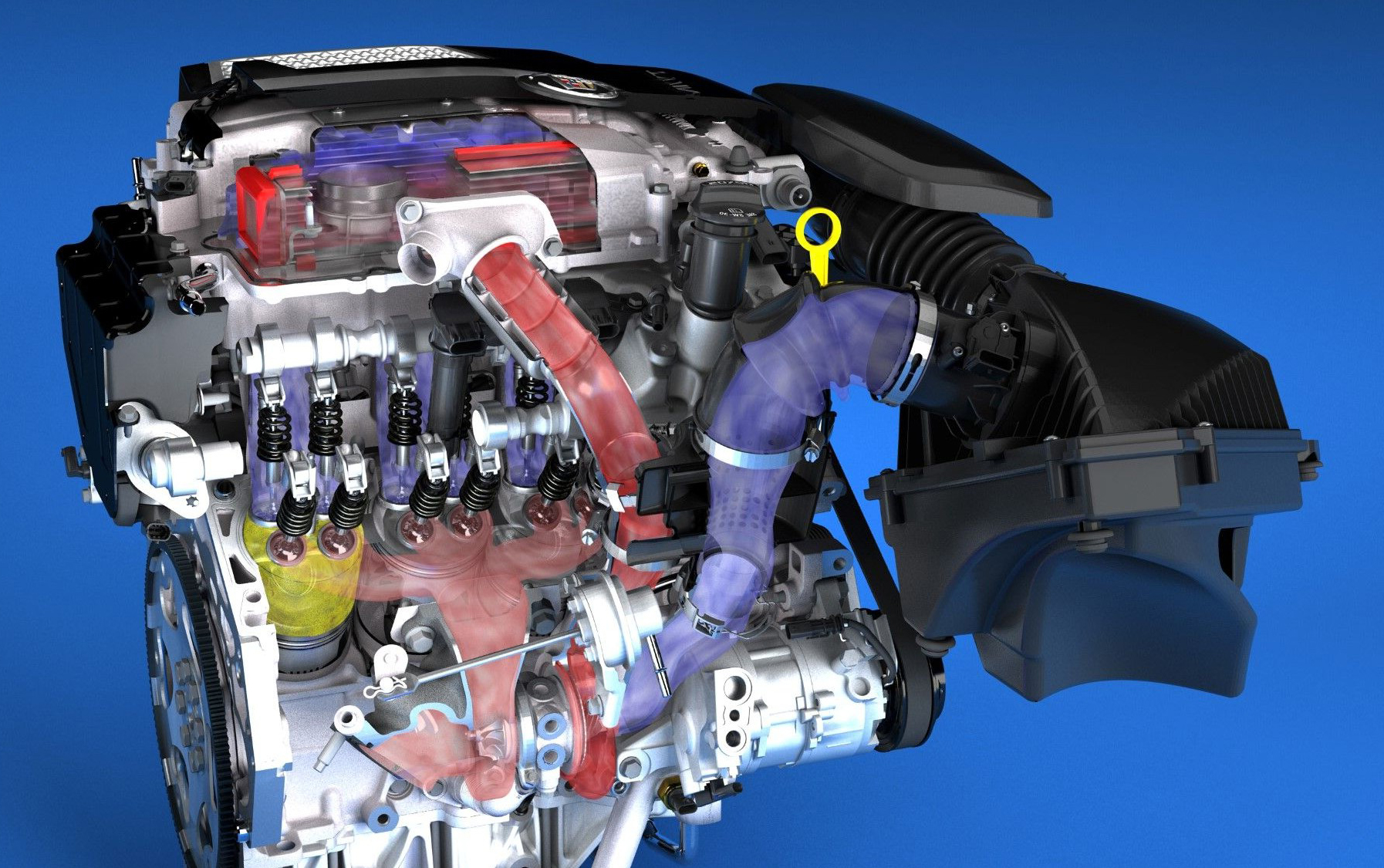
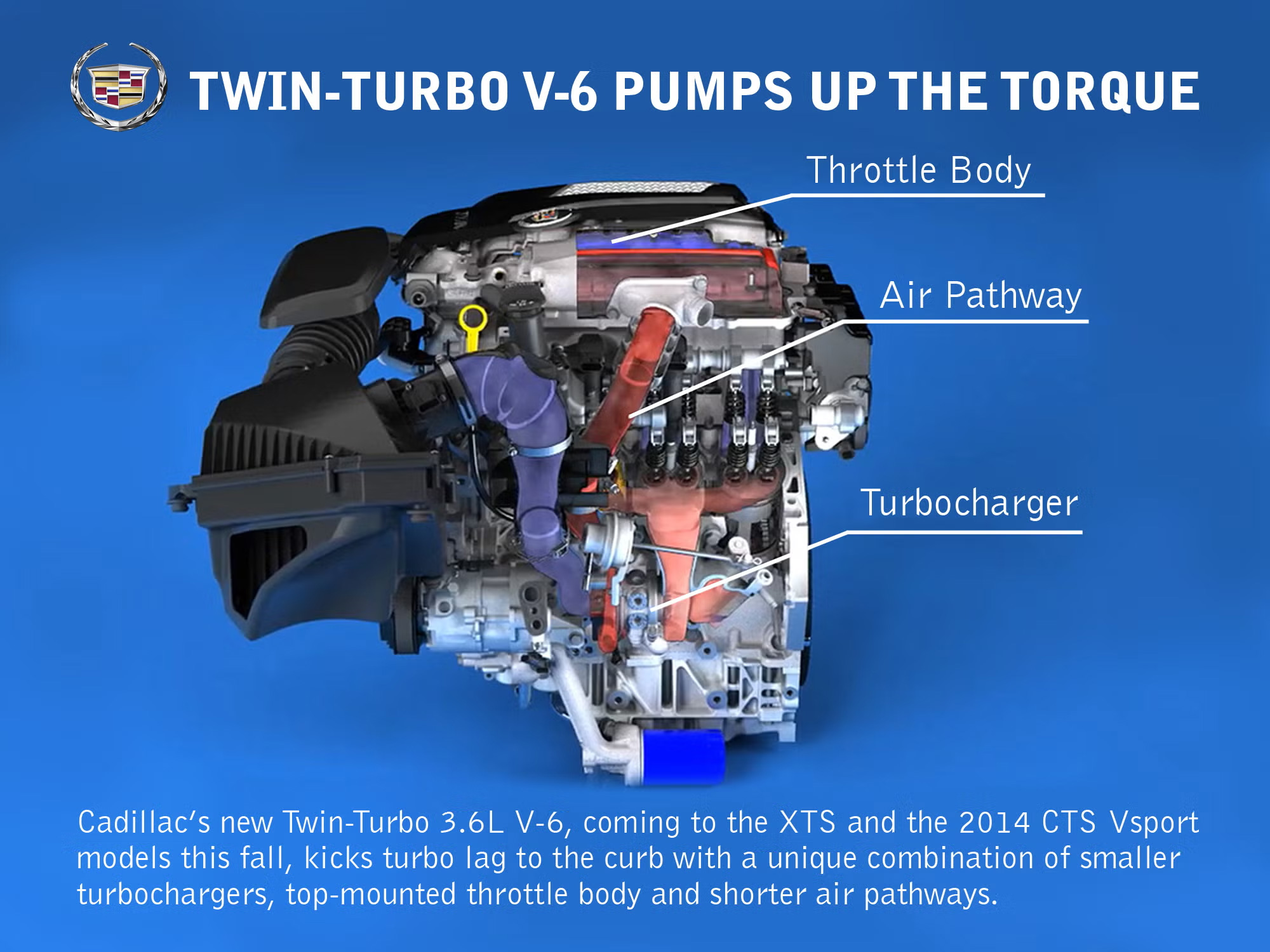
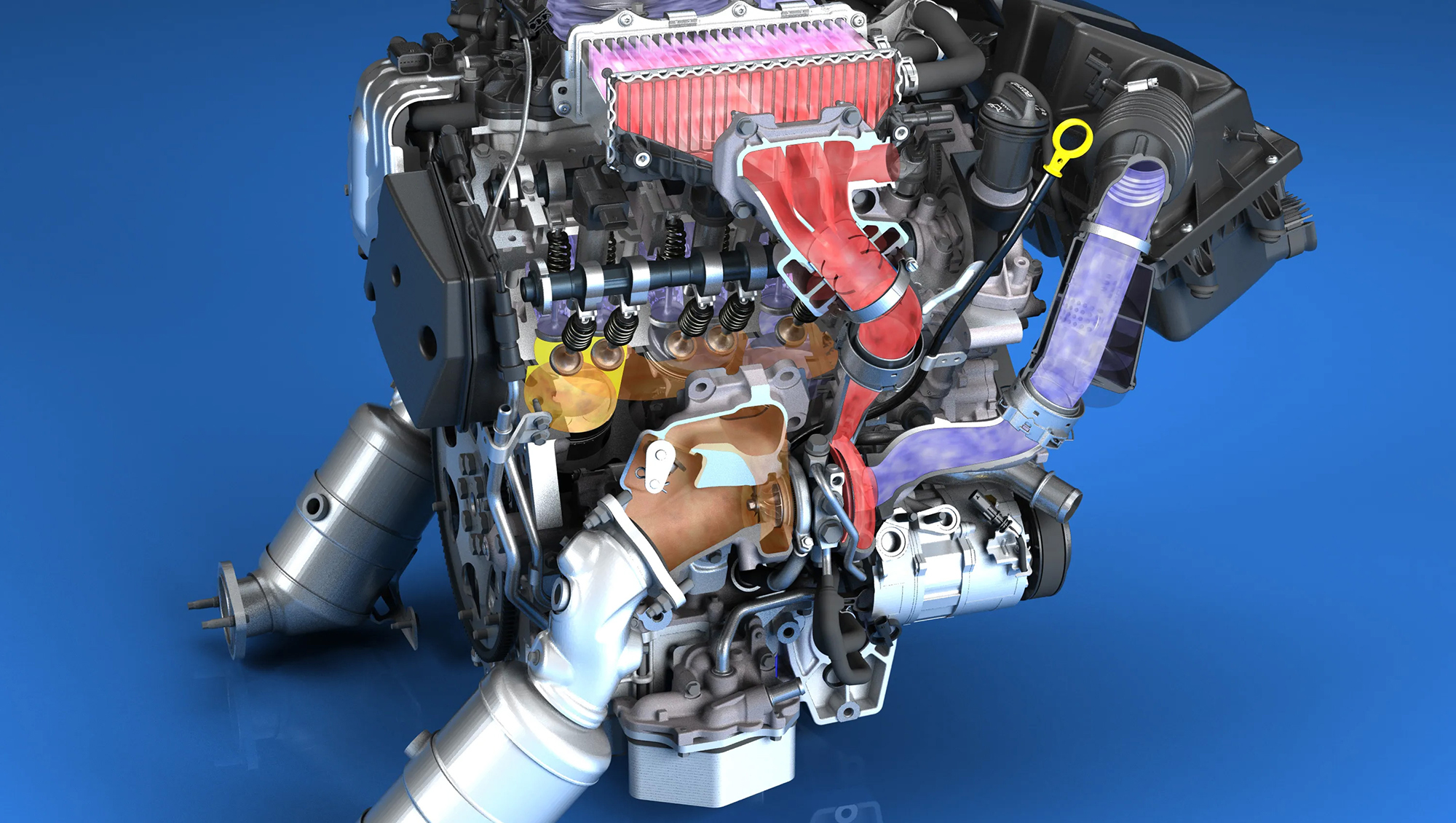
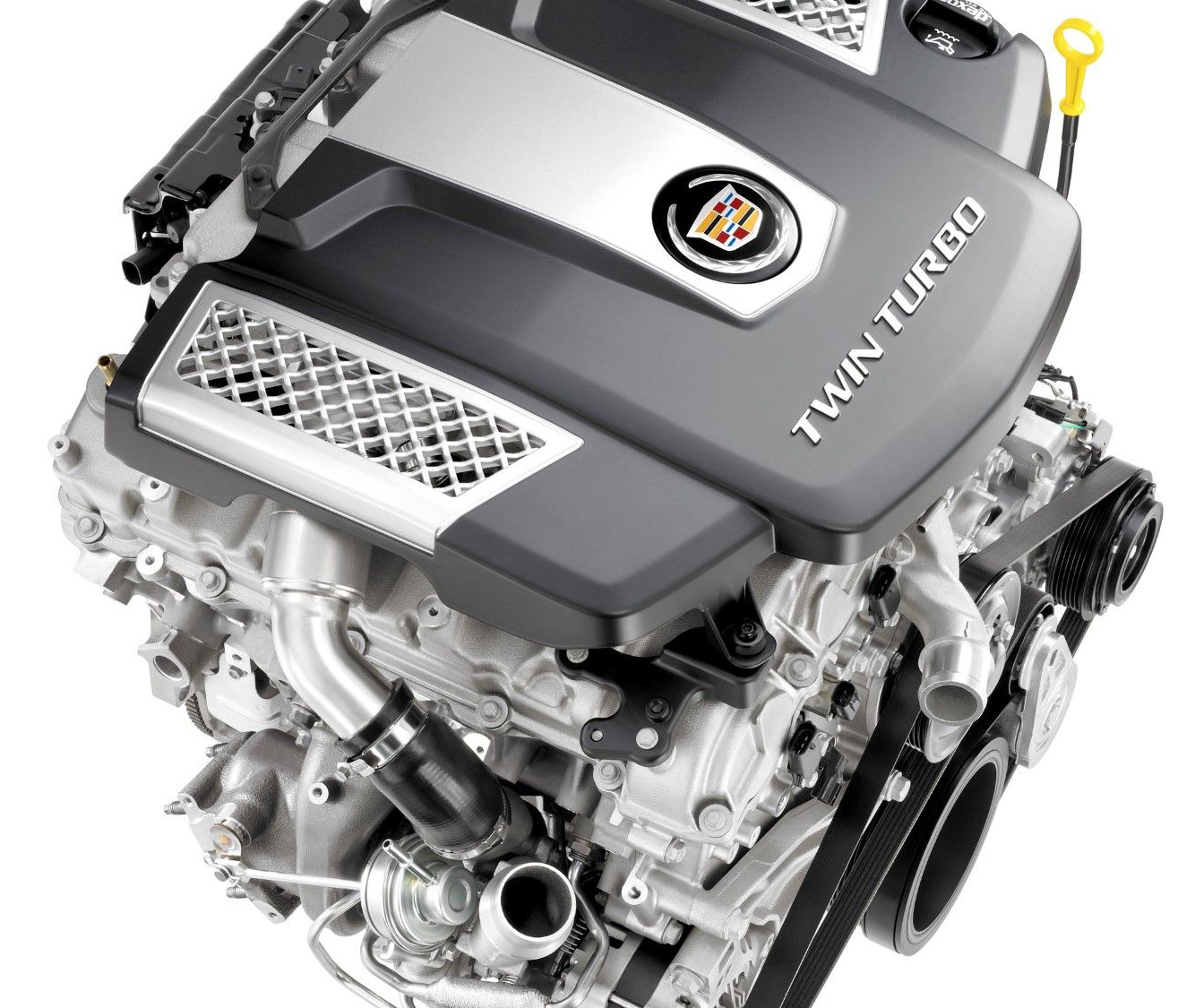
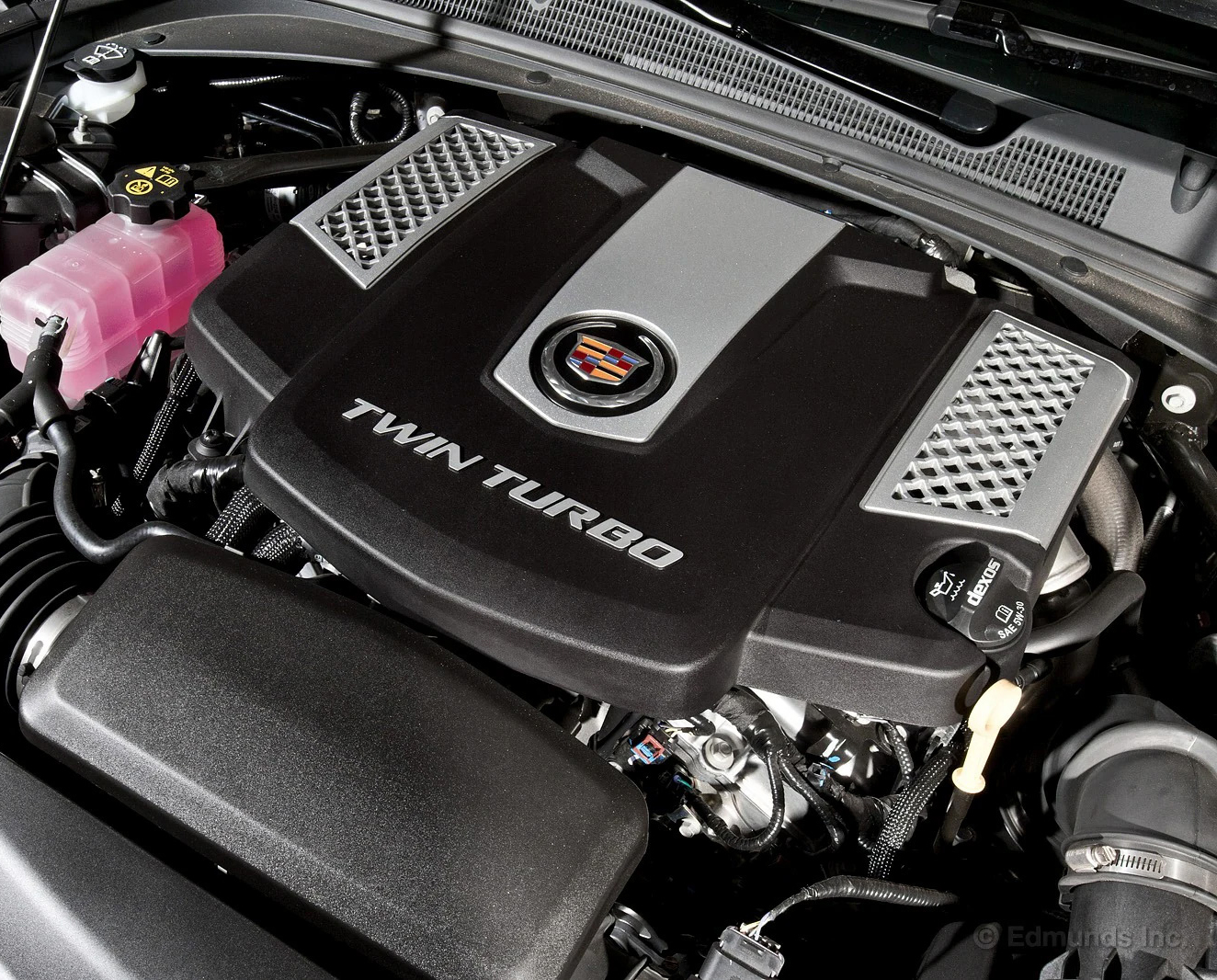
So GM did something smart: they took their existing 3.6-liter LFX V6, the workhorse found in Camaros and base CTS models, and added boost. But they didn’t just bolt on turbos and call it a day. The LF3 got a new cylinder block casting, new heads with "high-tumble" intake ports, forged steel crank, and a wild air-to-water intercooler integrated directly into the intake manifold. The result? An SAE-certified 420 horsepower and 430 lb-ft of torque, with 90% of that torque available from 2,500 to 5,500 RPM.
That’s not just impressive for a six-cylinder. That’s embarrassing some V8s from just a few years earlier.
The LF3: The Daily-Driven Overachiever
The LF3 debuted in the 2014 Cadillac CTS V-Sport and later showed up in the XTS V-Sport. In the CTS, it made the full 420 hp. In the heavier, front-wheel-drive-based XTS, it got detuned slightly to 410 hp and 369 lb-ft.
But here’s the magic of the LF3: it was designed to feel like a big V8, not a peaky turbo motor. GM used smaller Mitsubishi TD04 turbos that spool almost instantly, backed by vacuum-actuated wastegates that provide precise boost control at low RPM. Peak torque hits at just 1,900 RPM. That means you don’t wait for power. You just step on the gas, and it goes.
Vehicles equipped with the LF3:
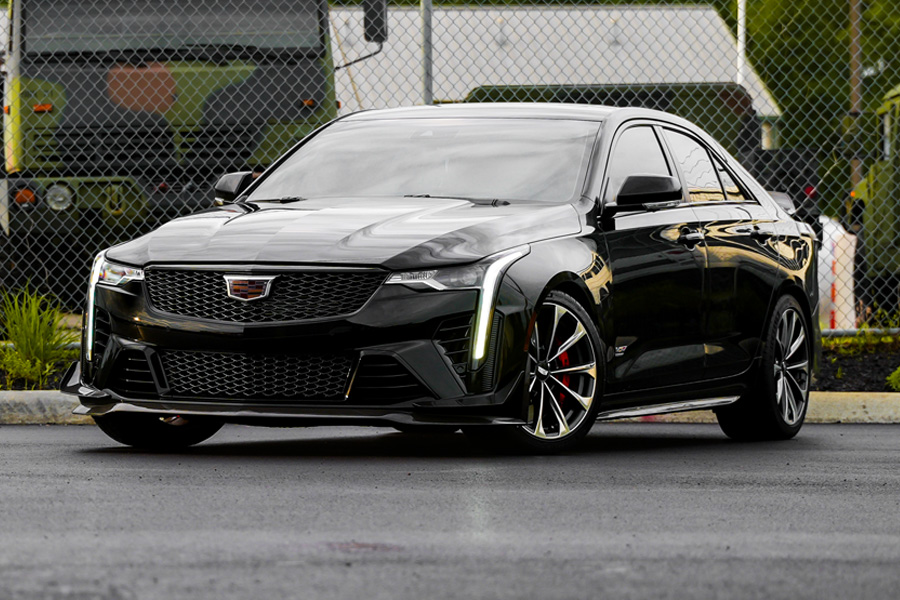
- 2014-2019 Cadillac CTS V-Sport (420 hp)
- 2014-2019 Cadillac XTS V-Sport (410 hp)
The LF4: The Track Rat’s Choice
Now, the LF4 is where things get serious. When Cadillac decided to build the ATS-V, they knew the standard LF3 wasn’t going to cut it. The ATS-V was aimed directly at the BMW M3 and Mercedes-AMG C63. It needed to survive track days, not just highway pulls.
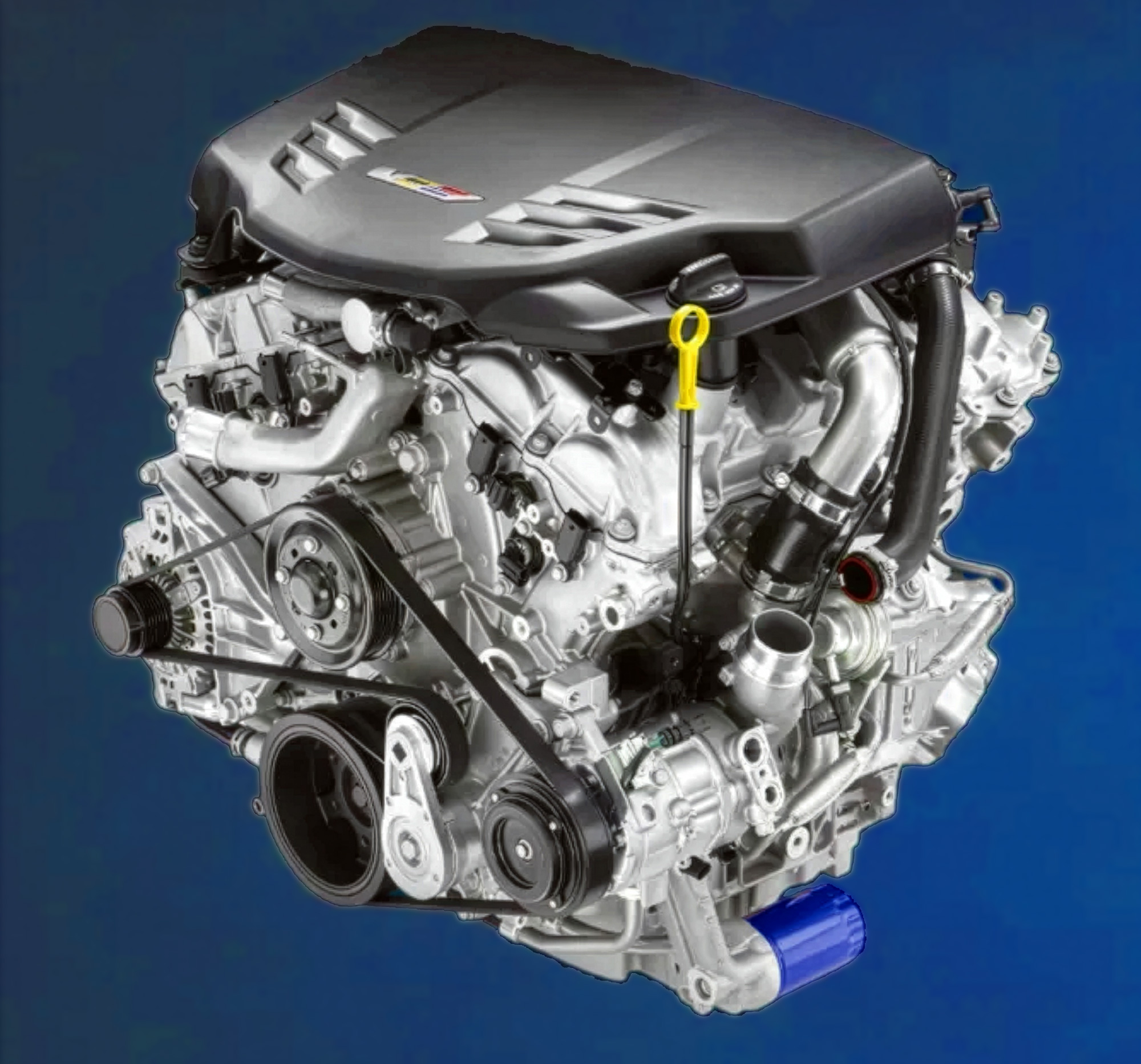
So GM took the LF3 and turned it up to eleven. Boost jumped from 12 psi to 18 psi. The turbos got larger, favoring peak horsepower over low-end punch. But the real story is what’s inside.
The LF4 uses titanium connecting rods.
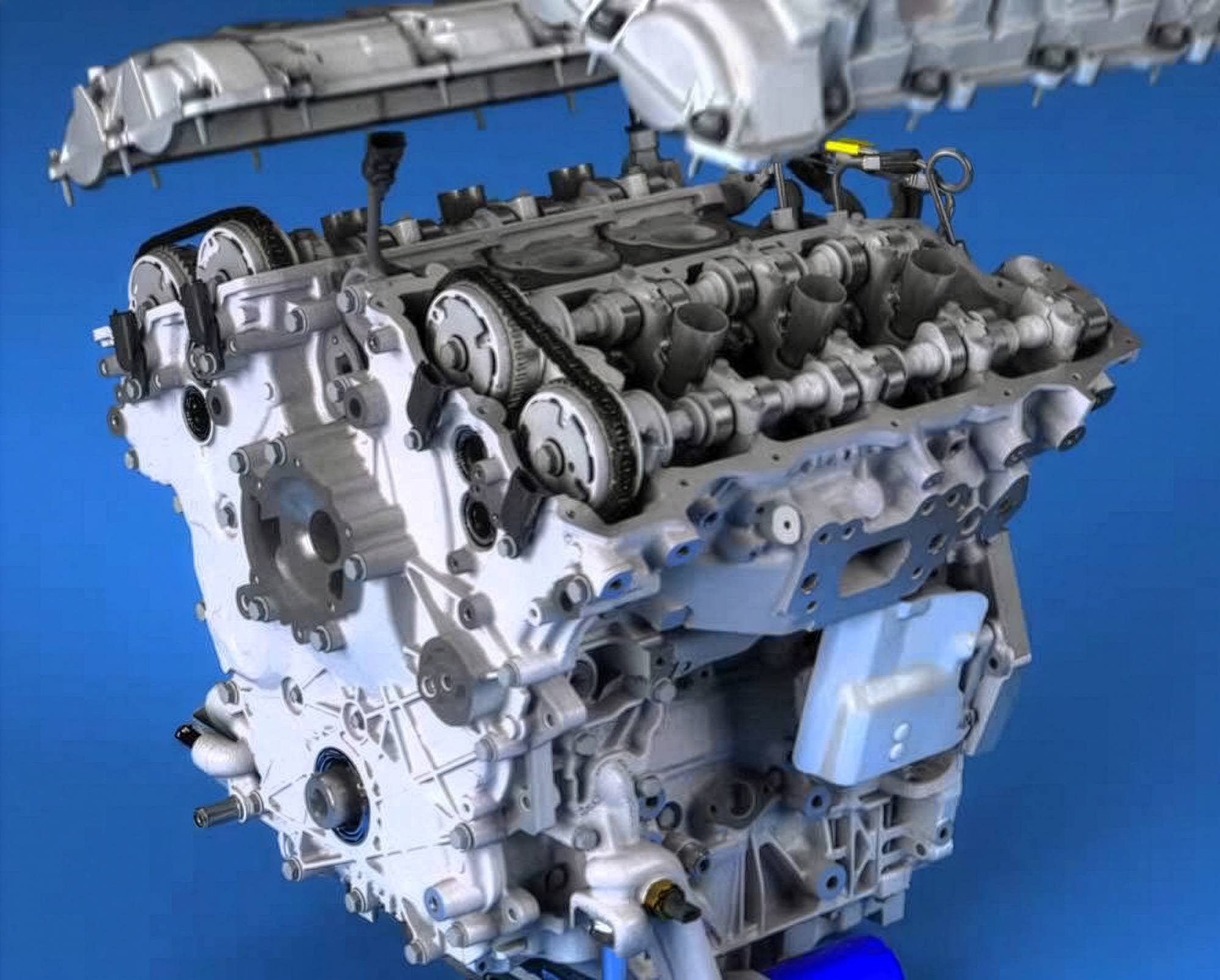
Let that sink in. Titanium rods are exotic stuff, you usually find them in race engines or hypercars. They reduce rotating mass significantly, allowing the engine to rev more freely and respond instantly to throttle inputs. GM also added a patent-pending low-volume charge-cooling system to fight heat soak, plus high-flow injectors and revised oil pan baffling to keep oil flowing during hard cornering.
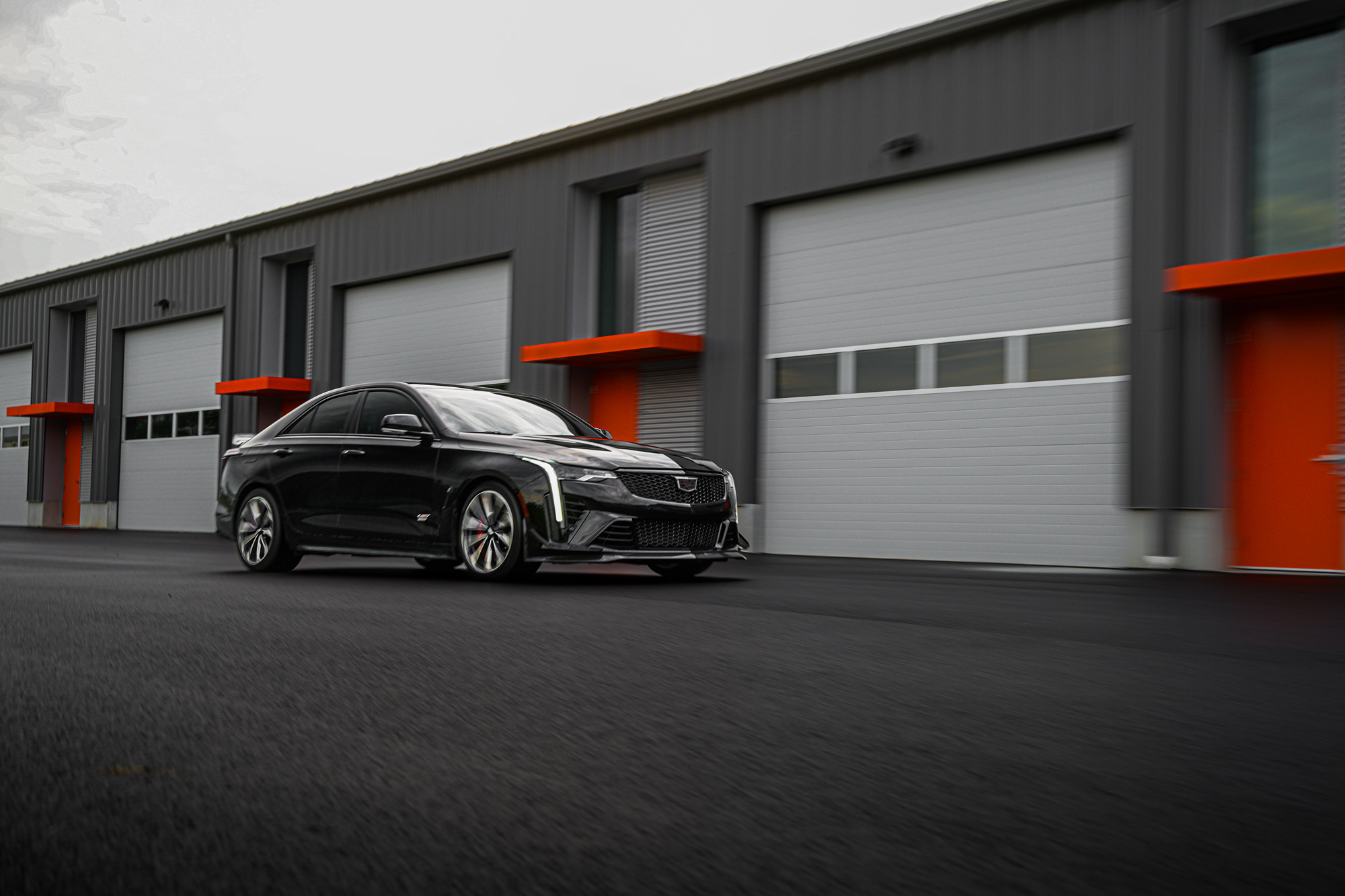
The result? 464 horsepower and 445 lb-ft of torque in the ATS-V. Later, in the CT4-V Blackwing, that number climbed to 472 hp with further refinements.
Vehicles equipped with the LF4:
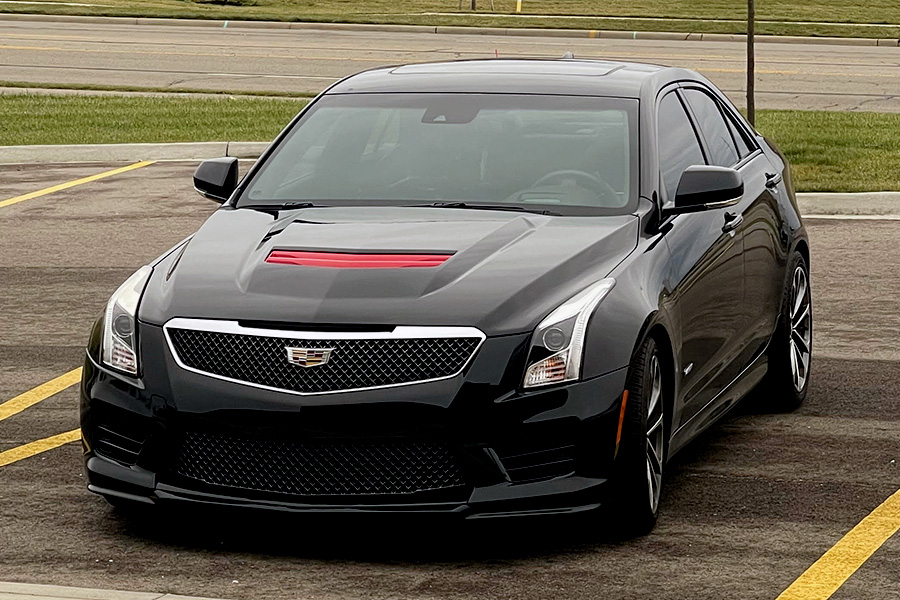
- 2016-2019 Cadillac ATS-V (464 hp)
- 2020-2025 Cadillac CT4-V Blackwing (472 hp)
And here’s a fun fact for the gearheads: the LF4 is exclusive to Cadillac. You won’t find it in any Chevrolet or other GM product. It’s a V-series-only special.
Side-by-Side: LF3 vs LF4 Specs
| Feature | LF3 | LF4 |
|---|---|---|
| Primary Vehicles | CTS V-Sport, XTS V-Sport | ATS-V, CT4-V Blackwing |
| Horsepower | 420 hp | 464-472 hp |
| Torque | 430 lb-ft | 445 lb-ft |
| Max Boost | 12 psi | 18 psi |
| Turbos | Smaller, quick-spooling (Mitsubishi TD04) | Larger, peak-power focused |
| Connecting Rods | Forged steel | Titanium (ATS-C Manual BW) / Steel (Auto BW) |
| Charge Cooling | Integrated air-to-water | Low-volume patent-pending system |
| Fuel Injectors | Standard | High-flow |
| Oiling System | Standard | Baffled for high-G cornering |
The Race-Bred Connection
If you really want to appreciate the LF4, look at what Cadillac did with it on track. The race version, called the LF4.R, powered the ATS-V.R GT3 race car. In unrestricted form, that engine made 600 horsepower and 520 lb-ft of torque, revving to 7,400 RPM. It used twin BorgWarner EFR turbos and a Bosch MS5.1 race ECU.
That’s the same basic block and head architecture as your street-driven CT4-V Blackwing. So when you’re rowing gears on a backroad, you’re driving something that shares bones with a genuine FIA GT3 race car.
Which One Should You Want?
Here’s the honest truth: both engines are underrated gems.
The LF3 is the better daily driver. It makes torque everywhere, spools instantly, and hides its boost well. You can drive a CTS V-Sport to work, sit in traffic, and never feel like you’re wrestling a race car. But when you put your foot down, it moves like a sedan costing twice the price.
The LF4 is for the enthusiast who actually uses the performance. The titanium rods, the higher boost, the better cooling—none of that matters if you never see a redline or a cornering G-meter. But if you track your car, or even just drive aggressively on mountain roads, the LF4 rewards you in ways the LF3 can’t.
And let’s be real: the LF4 is the one that’ll be remembered. It’s the last of a breed—a high-strung, twin-turbo, titanium-rod V6 from an era when Cadillac genuinely went after Germany’s best. The CT4-V Blackwing is the final car to carry this engine. Once it’s gone, that’s it.
So whether you’re hunting for a used ATS-V or saving up for a Blackwing, know this: you’re not just buying a Cadillac. You’re buying one of the most interesting engines GM has ever built.