GM Turbo V6 Engine Codes Timeline: From Buick 3.8 to Cadillac V‑Series LF4
GM’s turbo V6 story stretches from late‑1970s Buicks to modern Cadillac V‑Series sedans. Across those decades, one idea stayed the same: use a smaller, boosted V6 to punch way above its weight.
I’ve personally experienced three very different eras of this evolution:
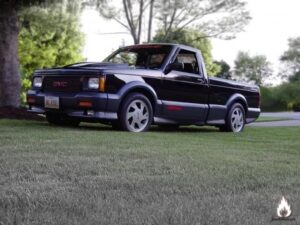
- 1991 GMC Syclone (turbo 4.3L V6, AWD truck that embarrassed sports cars)
- 2016 ATS‑V (LF4 twin‑turbo 3.6L V6, first Cadillac V‑Series with a turbo) Modern GN
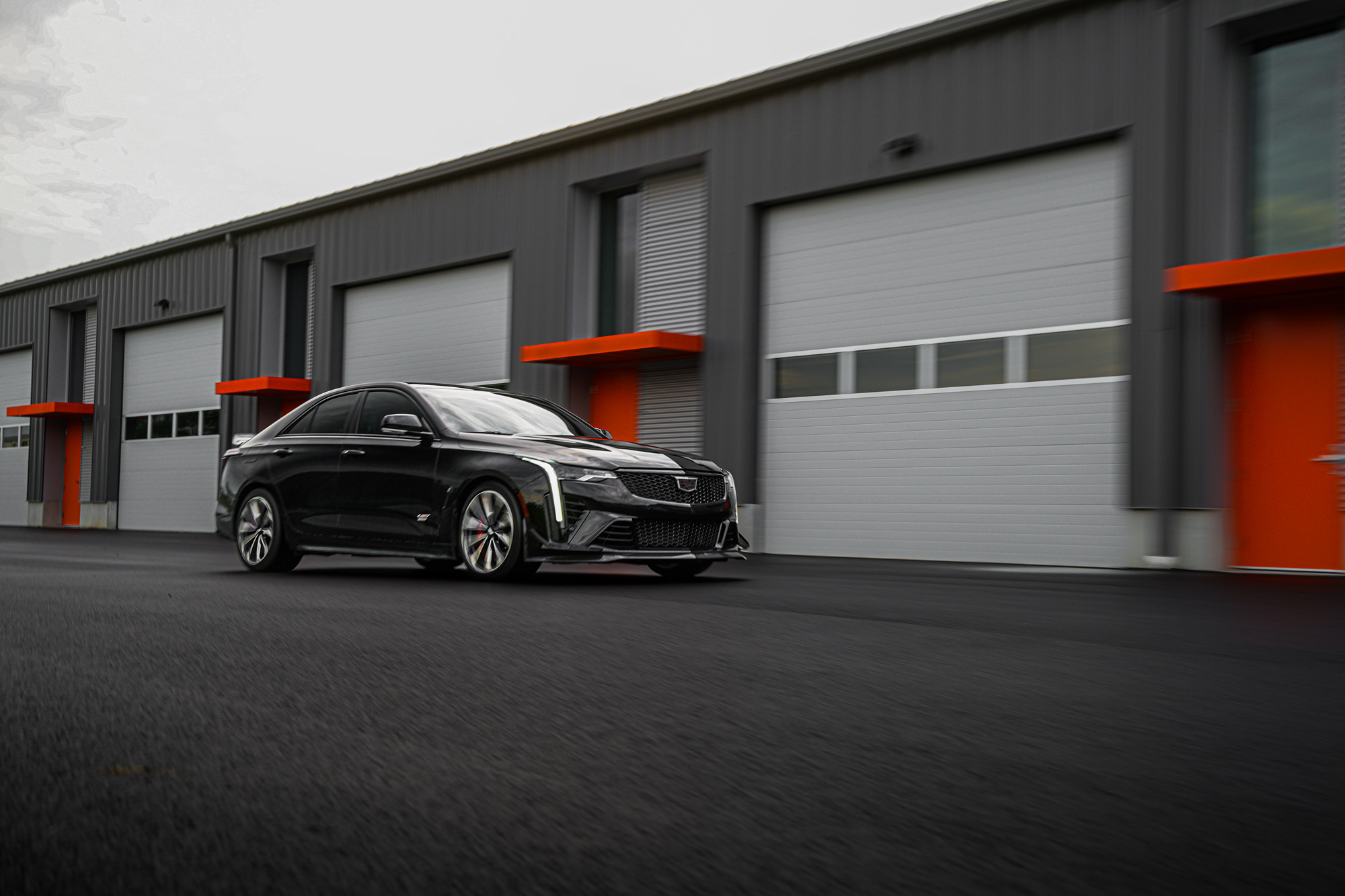
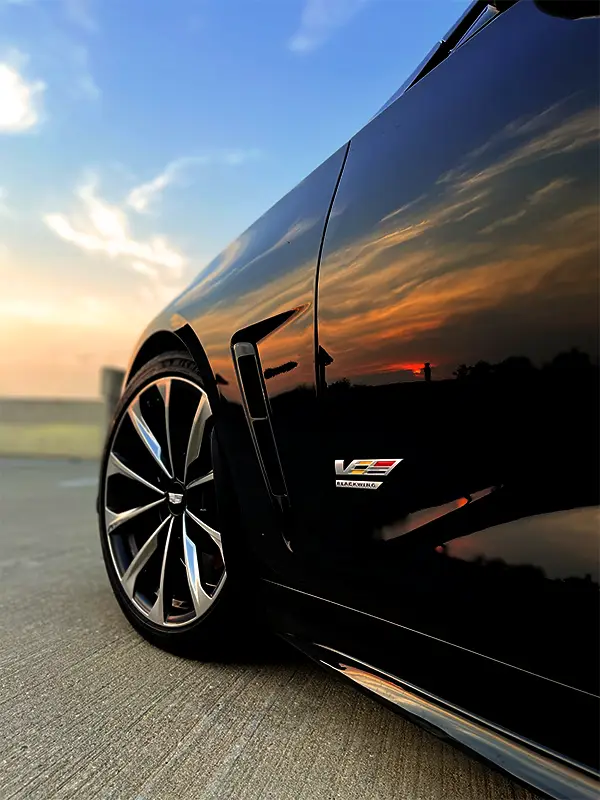
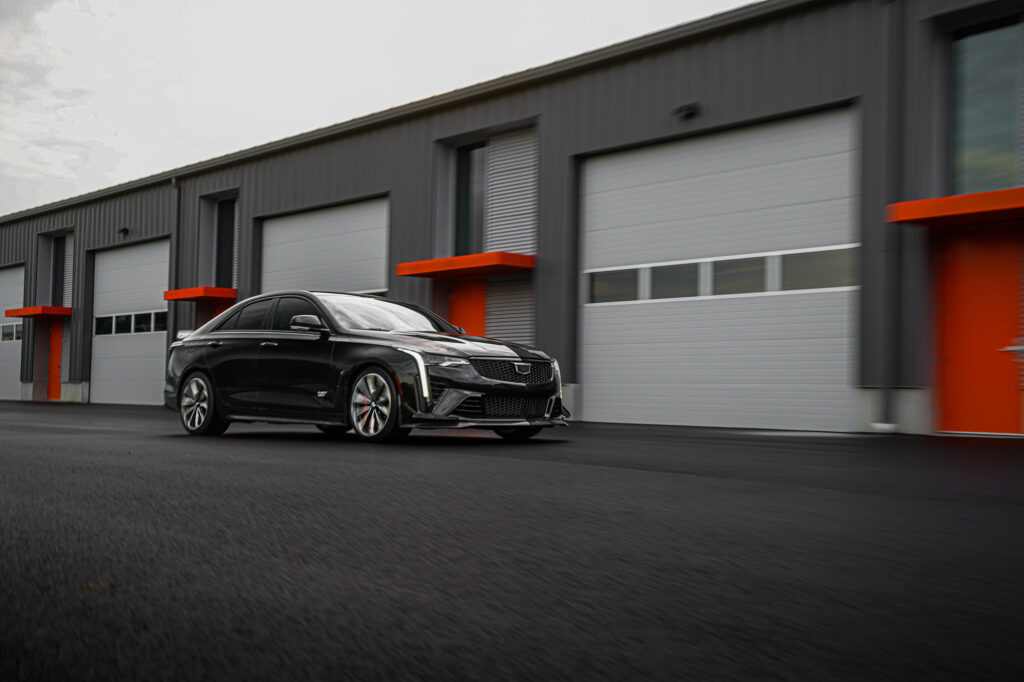
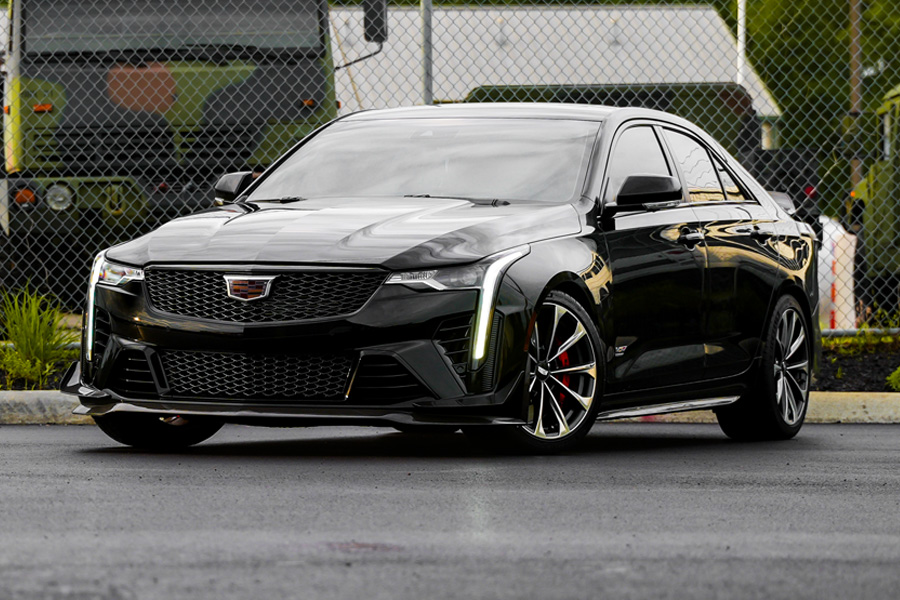
- 2022 CT4‑V Blackwing (most refined LF4 architecture so far) Modern GNX
Below is a timeline that walks through the major GM turbo V6 engine codes and how they led to today’s Cadillac V‑Series platforms.
Late 1970’s–Early 1980’s: The First Buick Turbo 3.8L
Approx. years: 1978–1983
Key platforms: Buick Regal, Indy Pace Car replicas
Base architecture: Buick 3.8L V6 (90°)
GM’s turbo V6 journey really gained focus with Buick’s 3.8L engines. Developed from the standard 3.8L V6, the turbocharged version appeared around 1978, first tied to the Indy Pace Car program and then to production Regals.
- Originally carbureted, with relatively mild boost
- Built on a simple cast‑iron block and heads
- Early power ratings were modest by today’s standards, but they proved the concept: a turbo V6 could deliver V8‑like torque with better fuel economy and emissions compliance for the era
These early engines set the stage for the far more famous fuel‑injected versions that would follow.
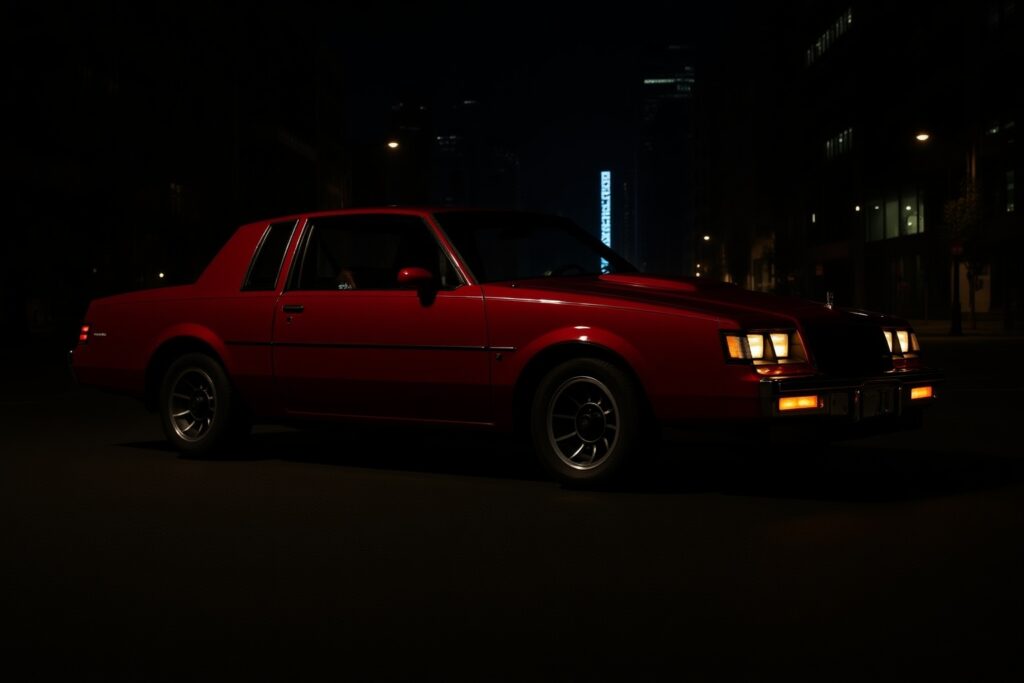
1984–1987: Buick LD5 – The Iconic Turbo 3.8L
Approx. years: 1984–1987
Engine code: LD5 (3.8L turbocharged V6)
Key platforms: Buick Grand National, T‑Type, GNX
In 1984, GM took a huge step forward with the LD5 version of the 3.8L turbo:
- Fuel system: Switched from carburetion to Sequential Fuel Injection (SFI)
- Displacement: 3.8L (231 cu in)
- Configuration: 90° V6, turbocharged, intercooled on later models
- Output evolution:
- 1984 SFI models around 200 hp / 300 lb‑ft
- 1986–1987 LC2 intercooled versions rated up to 245–276 hp and 330–360 lb‑ft (factory ratings were generally conservative)
By 1987, in cars like the Grand National (LD5) and especially the GNX (LC2), this engine was conservatively rated at around 276 hp and 360 lb‑ft, yet real‑world performance often exceeded those figures. Many of these cars were capable of sub‑5‑second 0–60 mph times right off the showroom floor.
The 1986-7 LC2 became a legend because it combined:
- Strong low‑end torque from Ceramic Bearing Turbo and Air to Air Intercooler
- Relatively light vehicle weight (compared to big‑block cars)
- A platform that responded extremely well to tuning and boost increases
Early 90’s: Turbo Trucks – 4.3L LB4 (Syclone/Typhoon)

Years: 1991–1993
Engine code: LB4 (4.3L turbocharged V6 variant)
Key platforms:
- 1991 GMC Syclone
- 1992–1993 GMC Typhoon
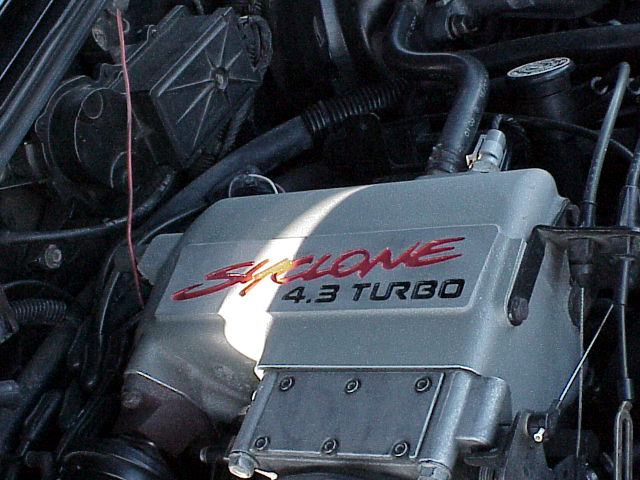
This is where the story turns to the trucks. The 4.3L V6 in the Syclone and Typhoon has roots in the small‑block V8 family, with two cylinders removed. For the high‑performance applications, GM added: Read More
- A single turbocharger
- Air to Water Intercooling
- Specific fuel and ignition tune
- All Wheel Drive System from Astro Van
- Strengthened internals compared to the standard 4.3L V6
Factory ratings were typically in the 280 hp / 350+ lb‑ft range, driving all four wheels through an AWD system. In the real world, these trucks were known for:
- Out‑accelerating contemporary sports cars in stock form
- Strong midrange torque and brutal launches
- A tuning community that quickly pushed them far beyond factory power levels
Owning a 1991 GMC Syclone gives you a pretty raw sense of what GM was willing to experiment with at the time: a compact turbo V6, AWD, and straight‑line performance that was way ahead of the curve. PAS was the partner GM collaborated with on the Sy/Ty project.
2014: The Return of the Performance Turbo V6 – LF3
After a long gap where V8s dominated GM performance, the company returned to twin‑turbo V6 powerplants for luxury and performance cars.
LF3 – Twin‑Turbo 3.6L V6 (CTS V‑Sport, etc.)
Approx. years: early–mid 2010s
Engine code: LF3
Displacement: 3.6L
Configuration: 60° V6, direct injection, twin turbochargers
The LF3 appeared in models like the Cadillac CTS V‑Sport, acting as a forerunner to the more aggressive LF4.
- Designed for smooth, refined power delivery in luxury performance sedans
- Twin turbochargers and direct injection
- Power levels in the mid‑300 hp range, depending on configuration and tune
While not a V‑Series flagship engine, it proved GM could build a modern turbo V6 that balanced power with refinement.
 2016–Present: LF4 – Cadillac ATS‑V and CT4‑V Blackwing
Approx. years: 2016–present (varies by model)
Engine code: LF4
Key platforms:
- 2016–2019 Cadillac ATS‑V
- 2022+ Cadillac CT4‑V Blackwing
The LF4 is the modern centerpiece of GM’s turbo V6 performance lineup and the star of the Cadillac V‑Series you’ve owned.
Core specs (general):
- Displacement: 3.6L Read More
- Configuration: 60° V6, aluminum block and heads
- Induction: Twin turbochargers
- Fuel system: Direct injection
- Performance:
- ATS‑V: commonly rated around 464 hp and 445 lb‑ft
- CT4‑V Blackwing: similar output with refinements in drivability, cooling, and tune
The LF4 combines everything GM learned from decades of turbo V6 work:
- High specific output with factory reliability
- Strong, flat torque curve
- Modern electronics, traction control, and drive modes that put the power down efficiently
- A platform that responds very well to upgrades while remaining road‑trip and daily‑drive friendly
From owning a 2016 ATS‑V and now a 2022 CT4‑V Blackwing, you can really feel how GM refined the same basic architecture: Read More
- The ATS‑V felt more raw and aggressive in some ways to me
- The CT4‑V Blackwing feels more sorted, better integrated, and more mature without losing character or aggressiveness
From the early Buick 3.8L turbos to the Syclone’s 4.3L LB4 and finally the LF4 in Cadillac V‑Series cars, the GM turbo V6 engine codes timeline shows a clear progression:
- Experimentation – Buick’s first turbo 3.8L setups
- Refinement – LC2 in the Grand National and GNX with SFI, Air/Air intercooling
- Wild Cards – AWD turbo trucks like the Syclone and Typhoon Air/Water Intercooling
- Modernization – Direct‑injected twin‑turbo V6s (LF3, LF4) in luxury performance sedans
- Peak Execution – The LF4 in cars like the ATS‑V and CT4‑V Blackwing, where chassis, electronics, and power finally line up perfectly
For anyone cross‑shopping or just trying to understand where their Cadillac V‑Series fits in GM history, the LF4 is not an isolated design. It’s the latest chapter in a long and surprisingly consistent story of GM betting on turbocharged V6 power.

 2016–Present: LF4 – Cadillac ATS‑V and CT4‑V Blackwing